
- Ankit parikh : +1-365-833-6555
- Dhwani Parikh +1-365-888-8955
- Indicanadfoodinc@gmail.com

The Future of Herbal Wellness: Global Trends to Watch
Introduction
Herbal wellness has moved from the shelves of traditional apothecaries to the spotlight of the global health industry. What was once regarded as an “alternative” or “niche” choice is now embraced by millions as part of daily life. From herbal teas and Ayurvedic supplements to plant-based skincare and natural remedies, consumers across the world are choosing nature-backed solutions to support health, balance, and longevity.
As we look ahead, the herbal wellness market is set to expand even further. Let’s explore the key global trends shaping its future and why they matter for businesses, consumers, and health enthusiasts alike.
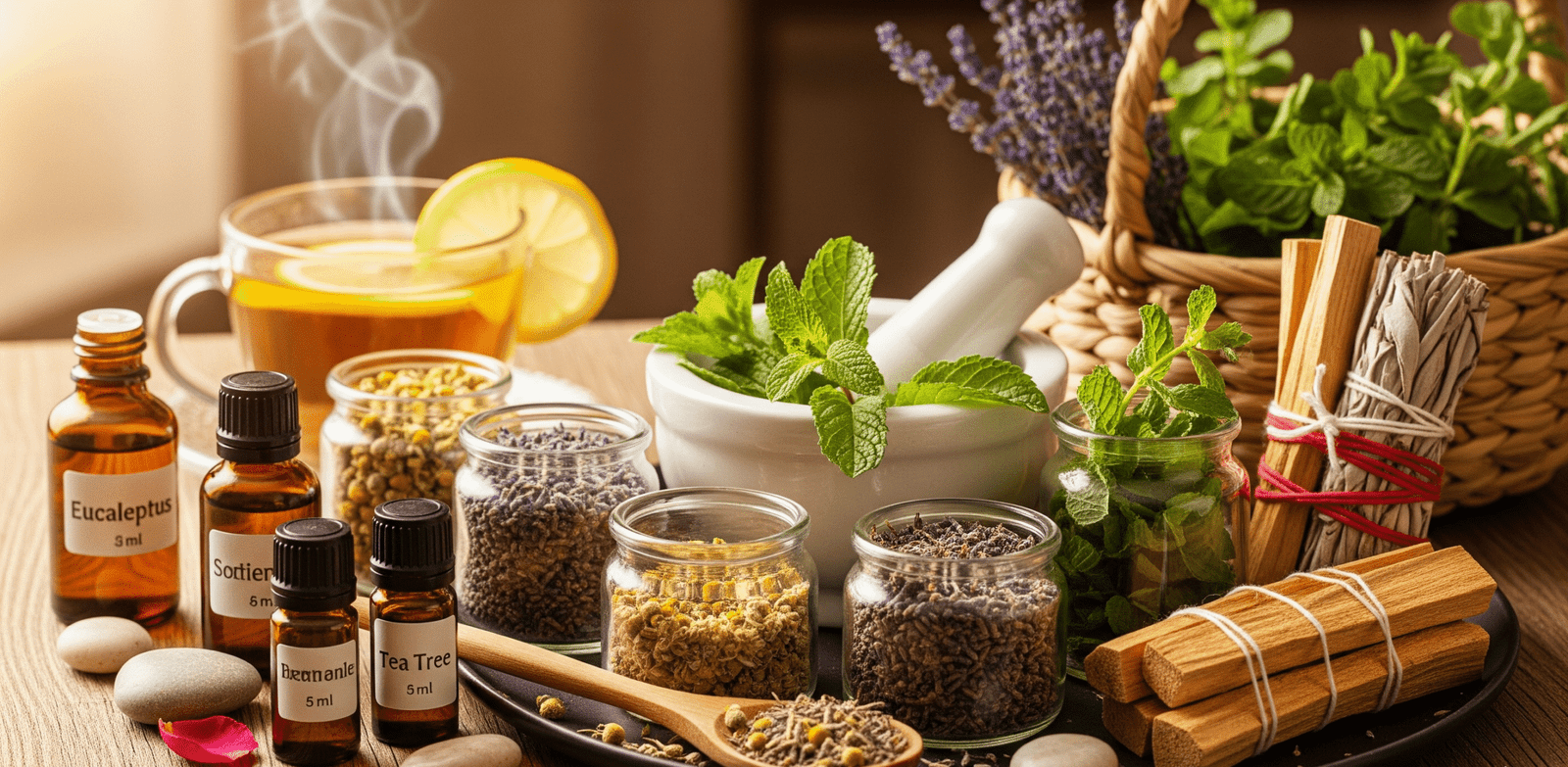
1. Herbal Remedies Becoming Mainstream
In the past, herbs were often marketed only to niche audiences or cultural communities. Today, they are part of mainstream wellness, available in pharmacies, supermarkets, and even fitness stores. Herbs such as ashwagandha, turmeric, tulsi, moringa, and ginseng are now recognized globally for their health benefits.
- Immune boosters became essential during the pandemic.
- Stress relief and sleep support herbs are in high demand in busy urban lifestyles.
- Everyday nutrition now includes superfoods like spirulina, chia, and flaxseed.
This mainstream acceptance signals a lasting cultural shift toward natural health solutions.
2. Science Meets Tradition
One of the strongest drivers of growth is the fusion of traditional herbal knowledge with modern scientific validation. Leading companies are investing in research and clinical trials to back claims with data.
- Herbal supplements are being tested for efficacy and safety.
- Products now include standardized dosages for consistency.
- Packaging highlights both traditional roots and scientific validation.
This dual approach not only reassures consumers but also strengthens the credibility of herbal wellness in regulated global markets.
3. Personalised Herbal Wellness
The future of wellness is personalization. With technology and AI-driven apps, consumers can now track their sleep, digestion, stress, and fitness levels. Herbal wellness is aligning with this movement.
Imagine herbal blends tailored to:
- Stress relief during exam periods
- Post-workout recovery for athletes
- Women’s health and hormone balance
- Seniors’ joint and bone health
Instead of “one-size-fits-all” products, the future will see herbs customized for individuals, making natural remedies more relevant and effective.
4. Functional Foods & Beverages
Herbs are no longer restricted to capsules or powders. They are being infused into everyday food and drink items, making them easy to adopt.
- Turmeric lattes and ashwagandha milk are popular café drinks.
- Energy bars with herbal adaptogens cater to health-conscious millennials.
- Herbal teas infused with calming or digestive properties are gaining global traction.
- Natural skincare beverages with aloe vera or hibiscus are trending.
This trend allows consumers to enjoy herbal benefits without changing their lifestyle drastically.
5. Sustainability & Ethical Sourcing
Consumers today don’t just want products that are good for their health — they also want them to be good for the planet. Sustainable and ethical sourcing of herbs will play a critical role in the industry’s growth.
- Organic farming practices reduce harmful chemicals.
- Fair-trade sourcing ensures farmers are paid fairly.
- Eco-friendly packaging appeals to environmentally aware buyers.
Brands that emphasize farm-to-shelf transparency will win long-term trust and loyalty.
6. Globalisation of Local Herbs
Herbs once limited to regional use are now crossing borders and gaining global popularity.
- Moringa from India and Africa is being marketed as a superfood worldwide.
- Ashwagandha has entered the global supplement market as a stress reliever.
- Tulsi (Holy Basil) is being promoted for immunity and respiratory health.
- Ginseng from Asia is widely recognized for energy and vitality.
As cultures share wellness knowledge, we’ll see new herbs entering international markets every year.
7. Integration into Beauty & Skincare
The herbal wellness trend is also reshaping the beauty industry. Natural ingredients are replacing synthetic chemicals in cosmetics and personal care products.
- Aloe vera, neem, hibiscus, and sandalwood are used in creams and cleansers.
- Herbal oils are replacing chemical hair treatments.
- Anti-aging products now highlight plant-based antioxidants.
The global clean beauty movement ensures herbal skincare will remain a growth driver.
Conclusion
The future of herbal wellness is bright, dynamic, and global. As consumer preferences shift toward natural, sustainable, and science-backed solutions, herbs are set to play a central role in health, nutrition, beauty, and lifestyle.